HOW TO GET INVOLVED
Volunteer
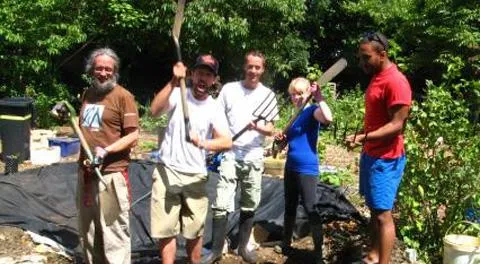
Our regular sessions run every Tuesday 10am – 3pm and Sunday 10am – 2pm. No need to book, just come and join in! Please bring sturdy footwear, waterproofs, and warm clothes.
*Our Sunday sessions are volunteer-led. To confirm these sessions, and to get the news from the garden community, please contact us to join our WhatsApp Group.
Regular Sessions
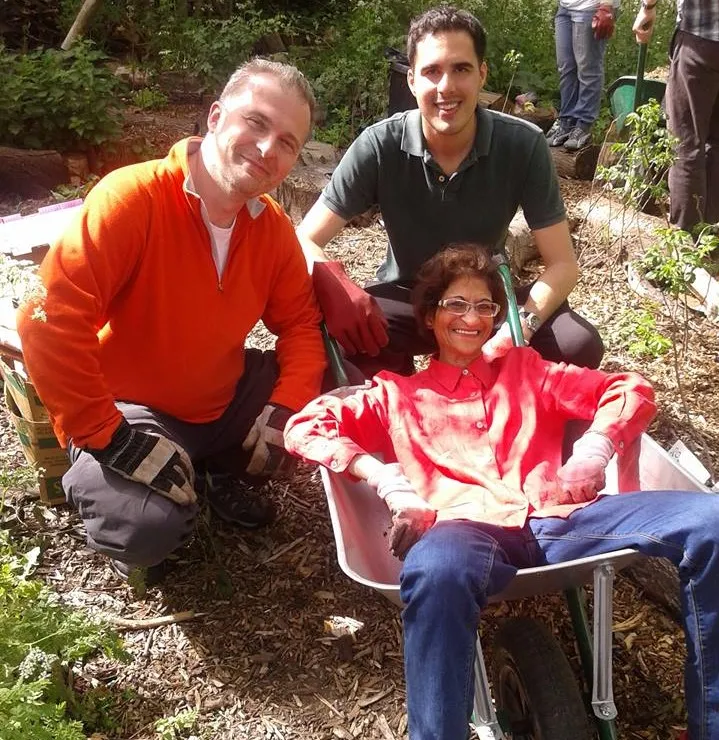
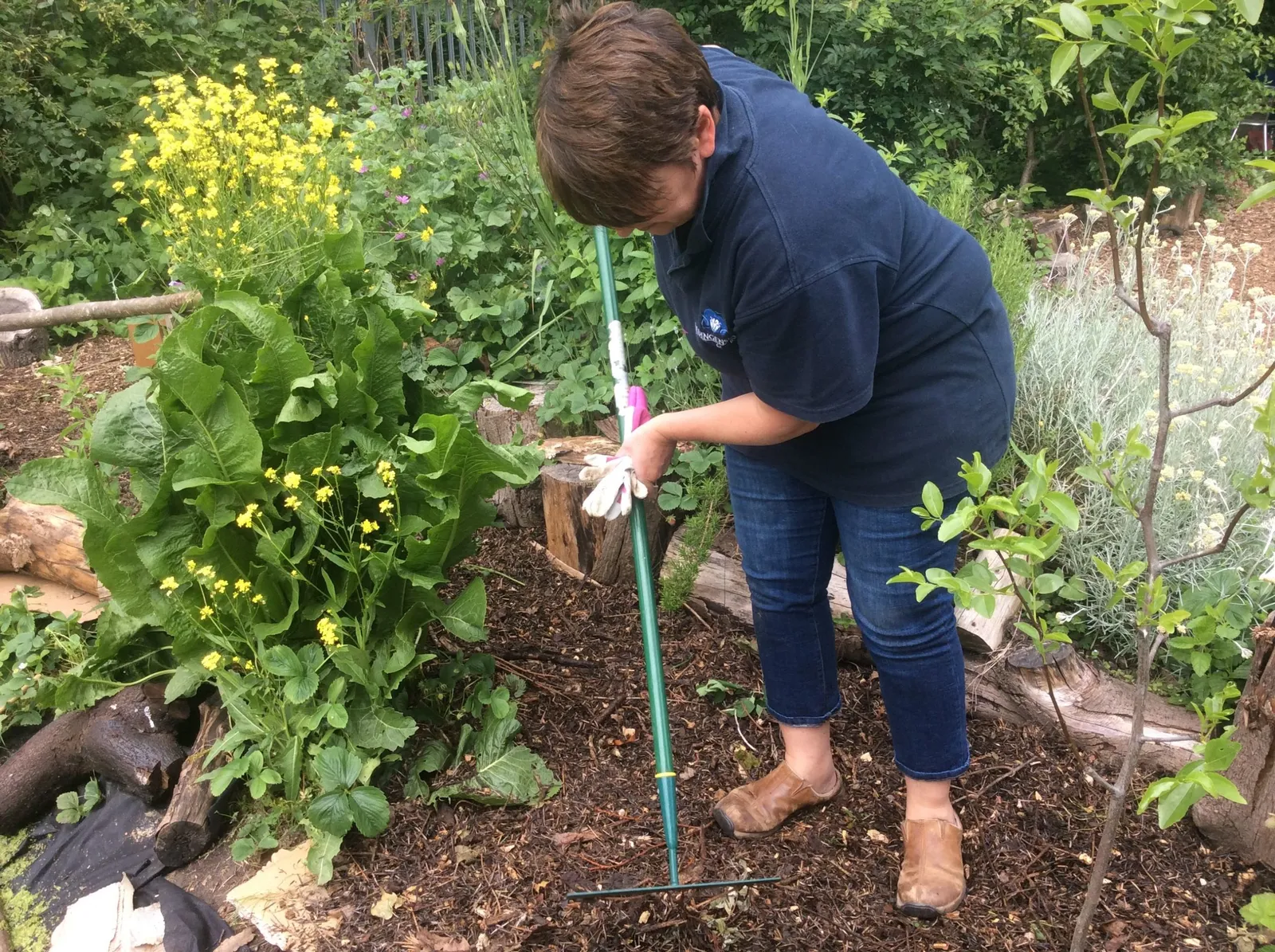
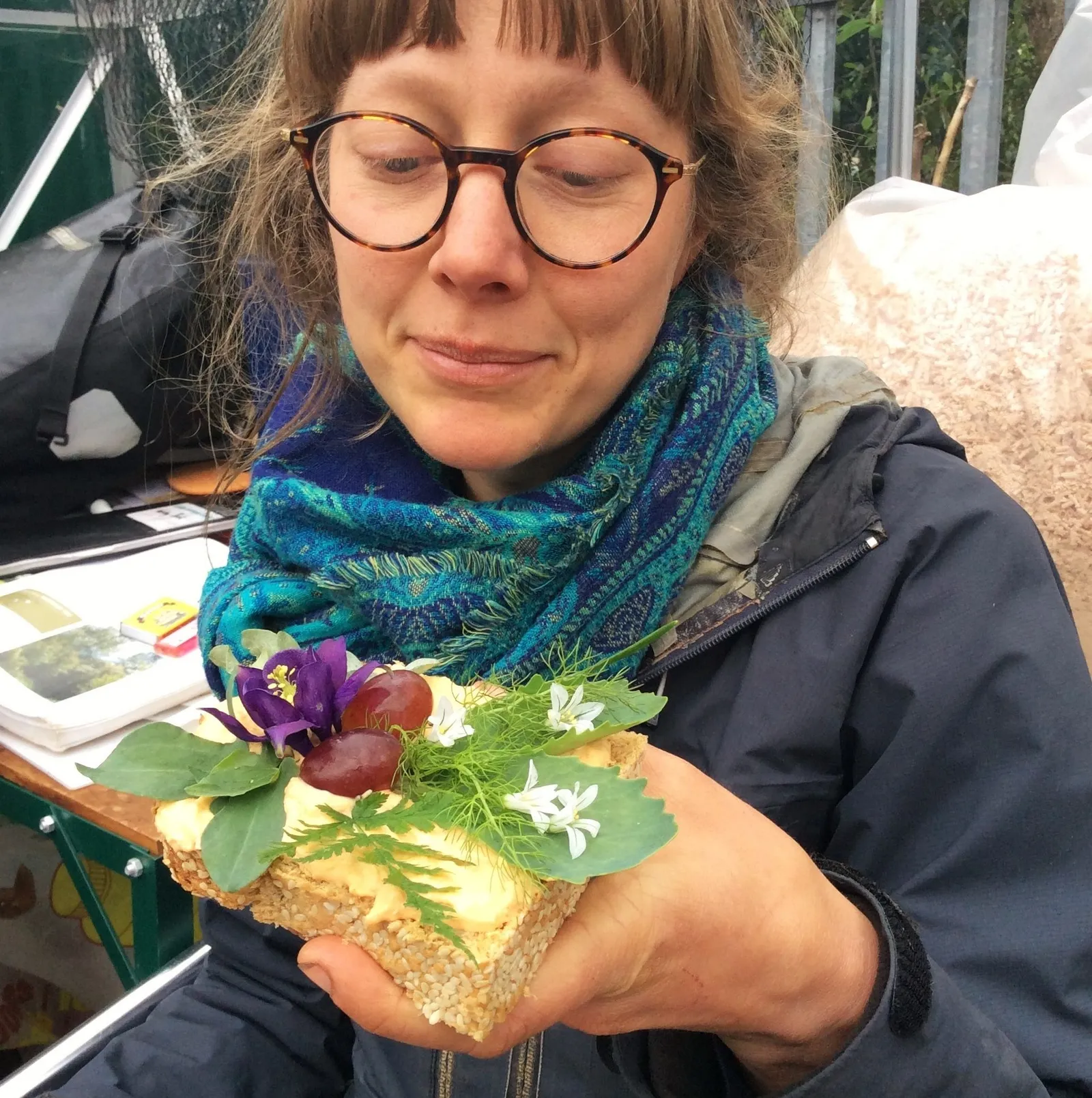
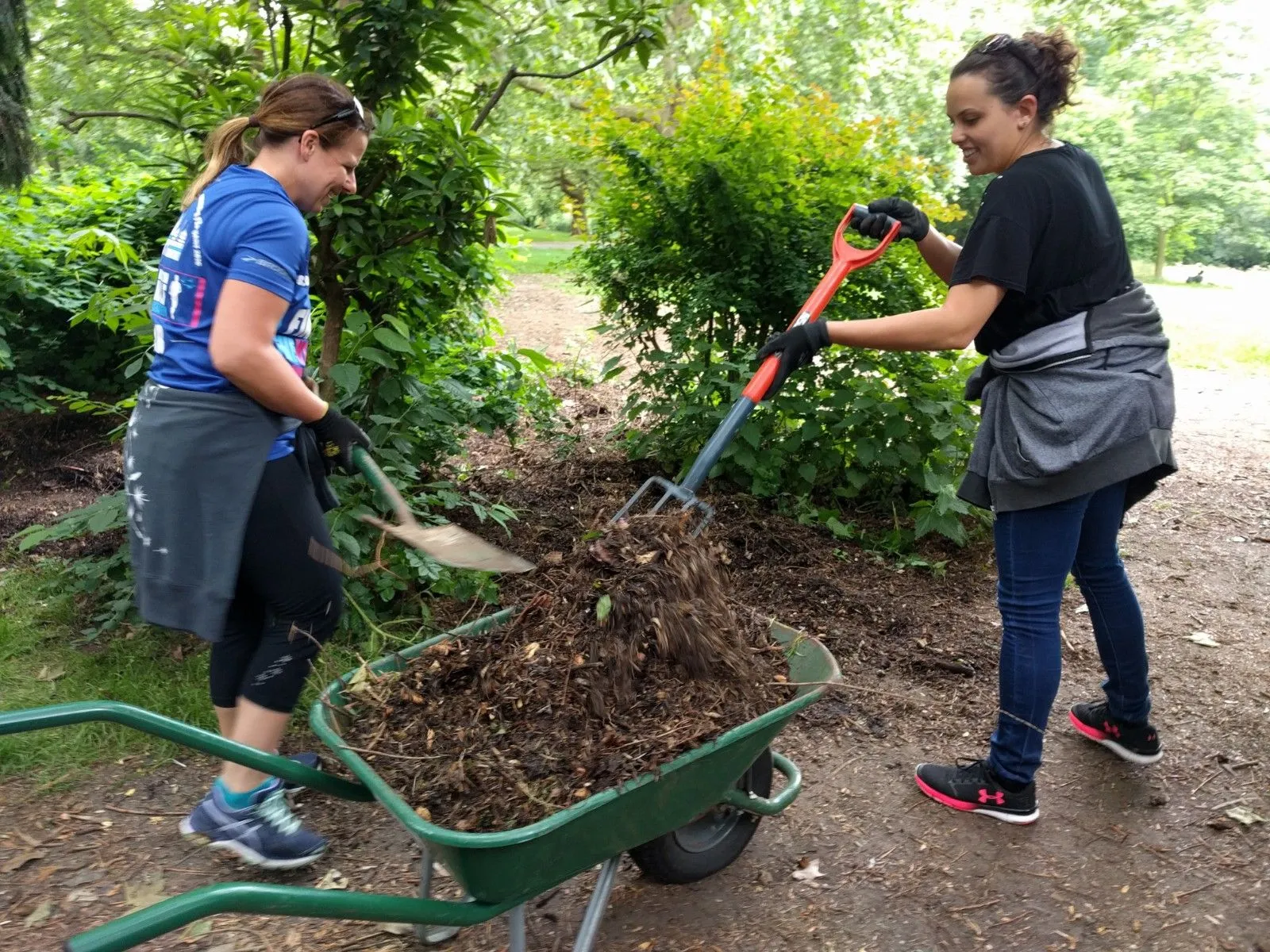
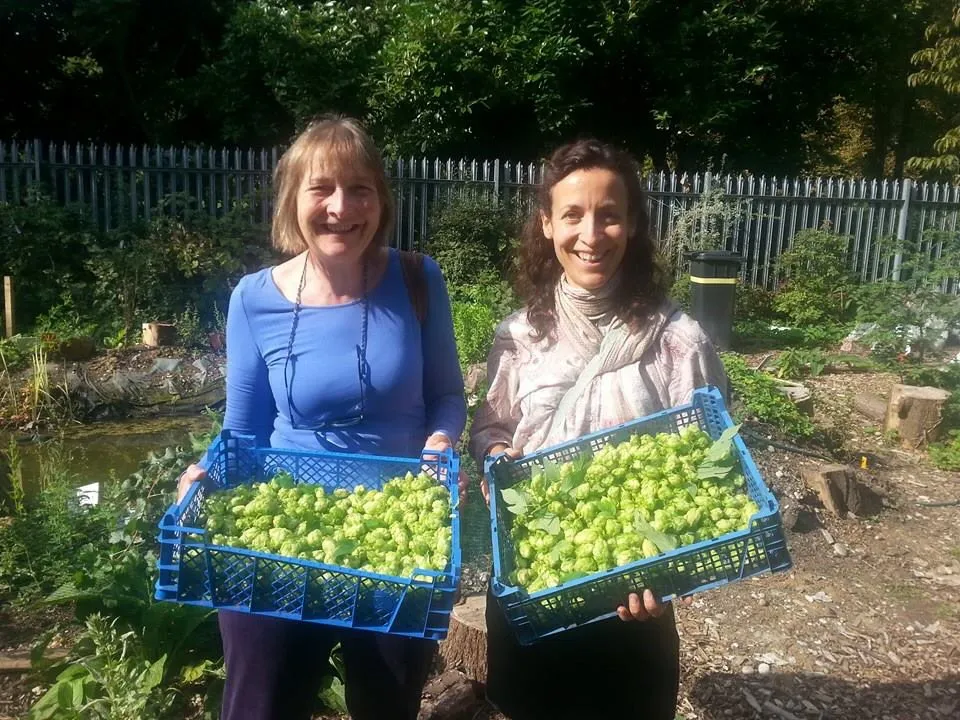
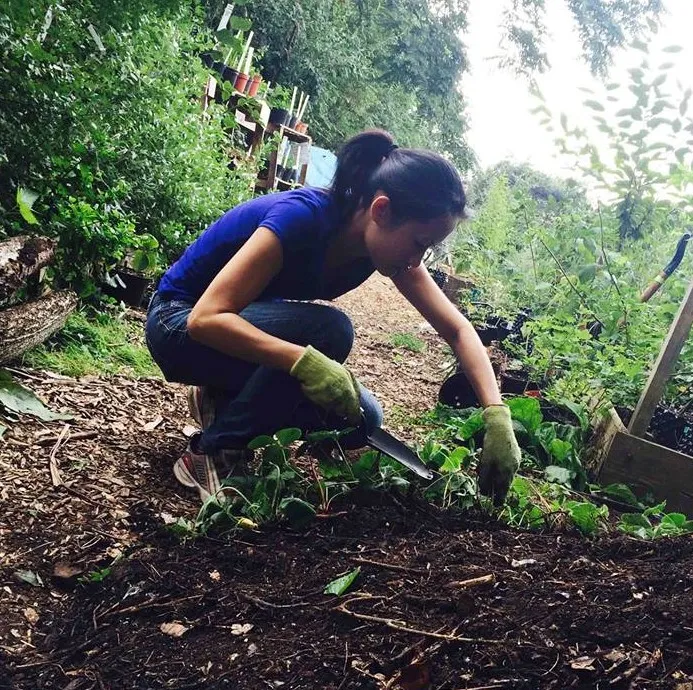
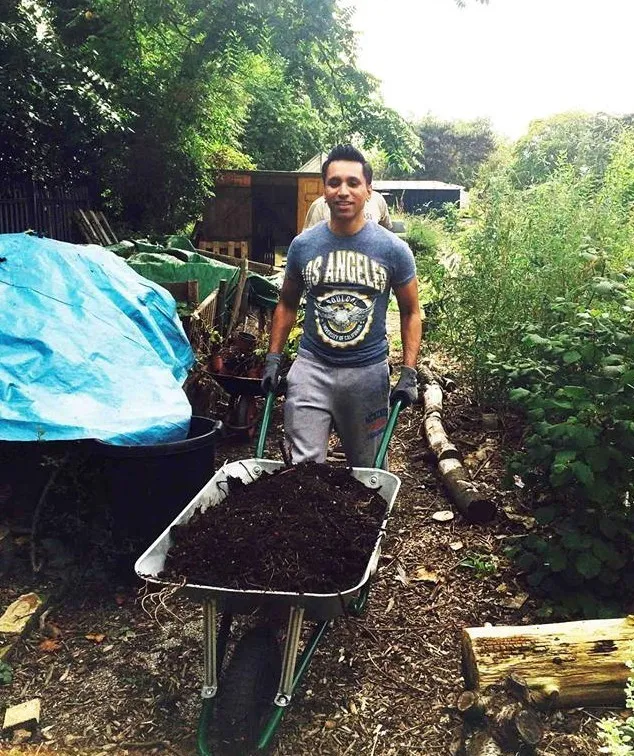
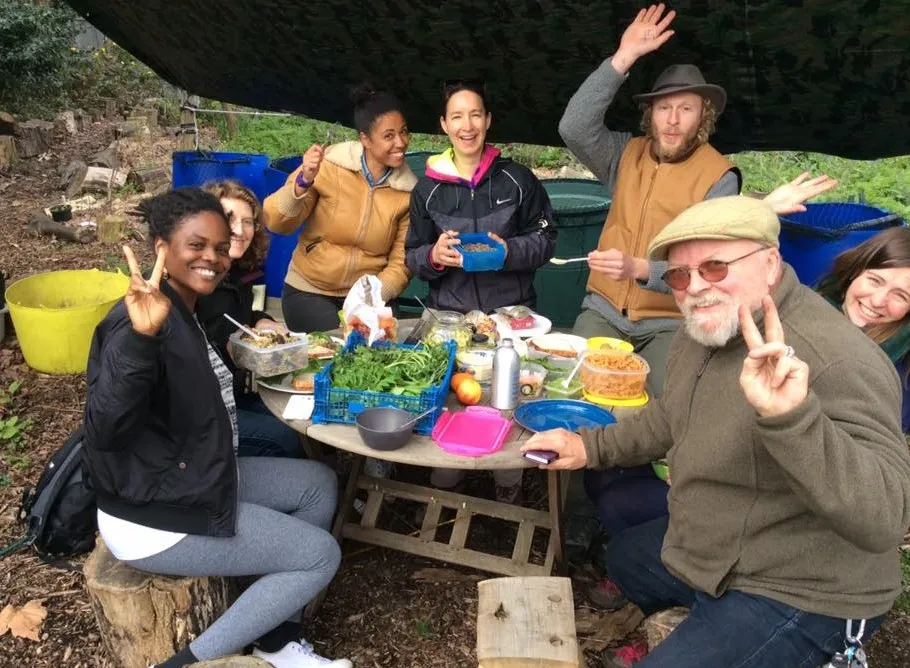
Sessions are led by an experienced leader, often joined by a trainee. Typical sessions will vary according to the season, including tasks such as propagation, planting, harvesting, pruning, composting, carpentry, and sign-making. Visitors can enjoy a relaxed atmosphere, herbal tea to go around. We normally share a vegan lunch, and a salad foraged from the garden. New volunteers are encouraged to connect with the unusual plants by tasting them in guided tours. Please bring weather appropriate clothes, boots, a drink and food to share.
Become a Session Leader
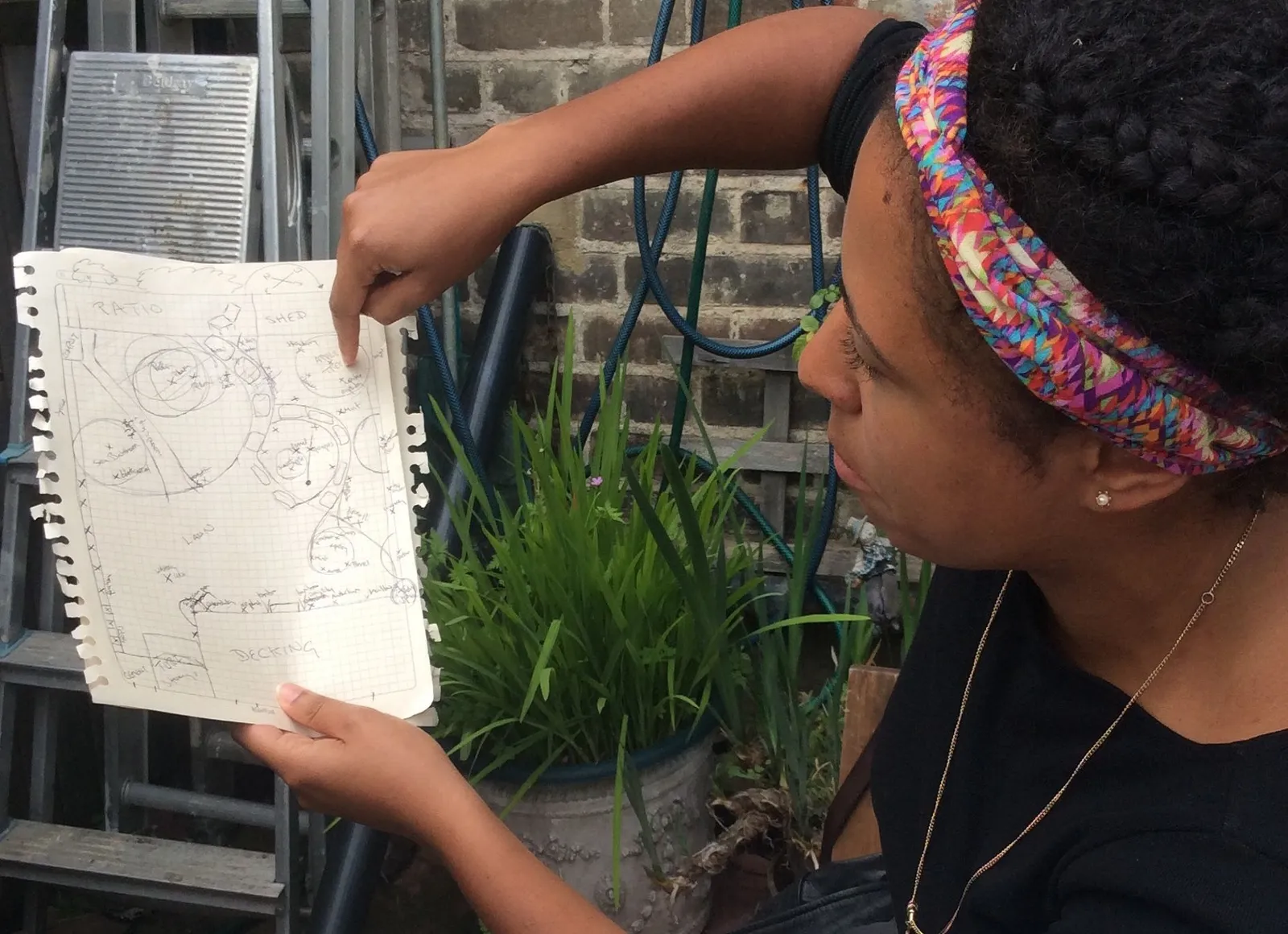
Session leading is a great way to pick up new skills and gain confidence. We pair new session leaders with an experienced member of the team, with an induction. If you are interested to become a session leader, please get in touch or come along to a session.

Why volunteer?
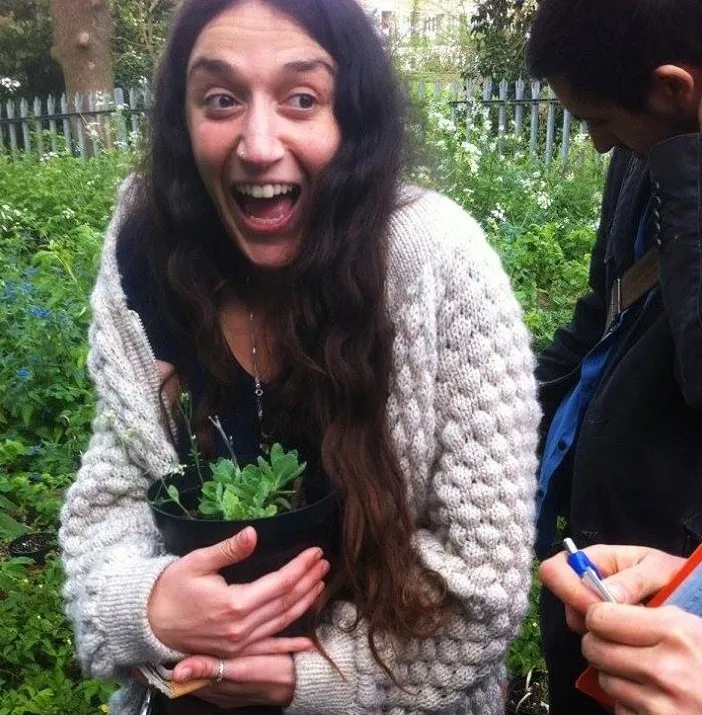
The feedback from our volunteers is that they love being out in nature, learning new skills, and being part of a community. It is a unique opportunity to learn about Forest Gardening in an urban context, and above all to have fun.
Mental and physical health benefits
Spending time in nature holds infinite rewards, benefiting our mental and physical well being. The National Forest Garden Scheme has compiled useful research about the health benefits here.
____________________
Other Ways to Help – Ecology and Climate

Join Us to Rewild Finsbury Park
If you are interested to increase biodiversity within Finsbury Park, come join us with our partner group FFP Re-wilding. We meet on the last Saturday of the month 10am – 1pm, at the Central Cafe near the lake. Participants learn skills in nature conservation, and get stuck in while enjoying a lively get-together. Tasks include planting trees, perennials, and creating habitat such as stag beetle loggeries and woven dead hedges. The aims and organisers of this group overlap with our own, and we often work together to create projects. Come along, bring a friend. To join there is no need to book. Just turn up with gloves, practical clothing and footwear.
Build Wildlife Sanctuaries
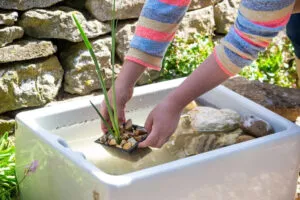
We can create simple wildlife sanctuary areas in our gardens or community spaces. Build a bug hotel, a small pond or bird bath, or a simple pile of branches and leaves in a shady corner. Plant a range of nature-friendly species with flowers and fruit, available throughout the year. It is ideal to include a good selection of native plants, and perennials tolerant to drought. There are many simple guides and advice online to get started with ideas.
Climate
Forest gardening is, in itself, a potent form of climate and nature activism. If you are interested in ecology and climate action, in sharing ideas and skills, do get in touch.
As an organisation, we strive to maintain a negative carbon footprint. In practice, we do this by storing more carbon in our forest garden than we produce from our activities. Through permaculture practices, we all have the tools to create change from the grassroots up.
If you are interested in Transition, or organising community activities, we would love to hear from you. Our charity originated from the Transition movement in 2009, and much of the community engagement work we do is related to climate and ecology.
52 Climate Actions is a recommended resource, which promotes permaculture-based solutions to climate change.
____________________
Make a Donation
If you would like to Donate to help us carry on the good work, please get in touch via the contact page, or email us for details.
We appreciate your support!
____________________
Privacy
Edible Landscapes London CIC values your privacy. Learn how we handle your data in our Privacy Notice